
Working With a Slope Instead of Fighting It
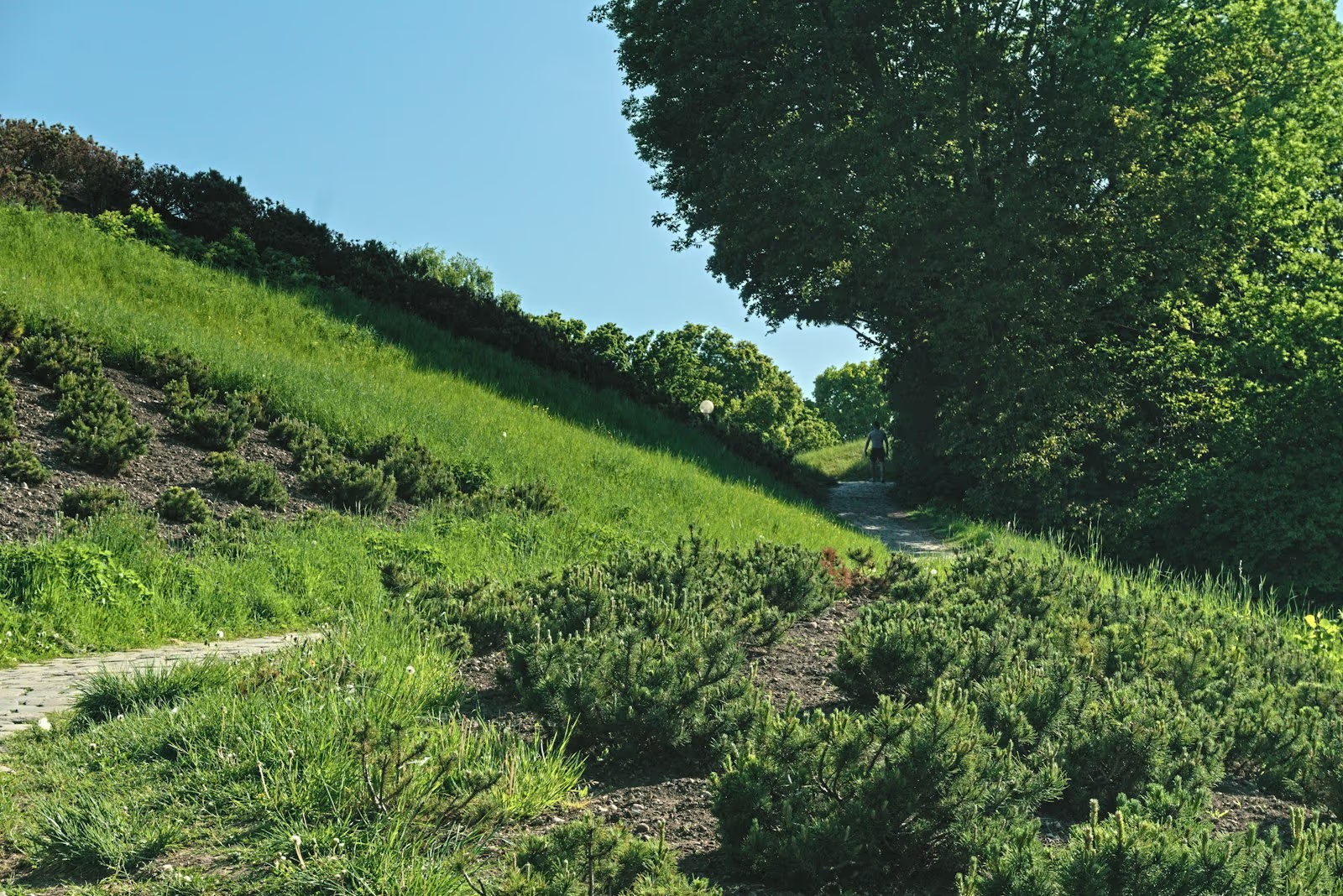
A lot of hillside landscaping in Pittsburgh starts from the wrong question: how do I flatten this? On the clay-heavy slopes common across the South Hills, that's usually the expensive path and often the wrong one. A slope that's properly terraced, drained, and planted holds up for decades. A slope that's fought into something flatter than it wants to be tends to slide, slump, or wash out within a few wet seasons.
The better question is what does this grade want to do, and how do I work with it. That means breaking a long, steep run into shorter, level sections instead of one continuous slope, getting water moving where you want it instead of where gravity happens to send it, and planting something that holds ground rather than something that needs the ground to hold still.
Terracing With Retaining Walls
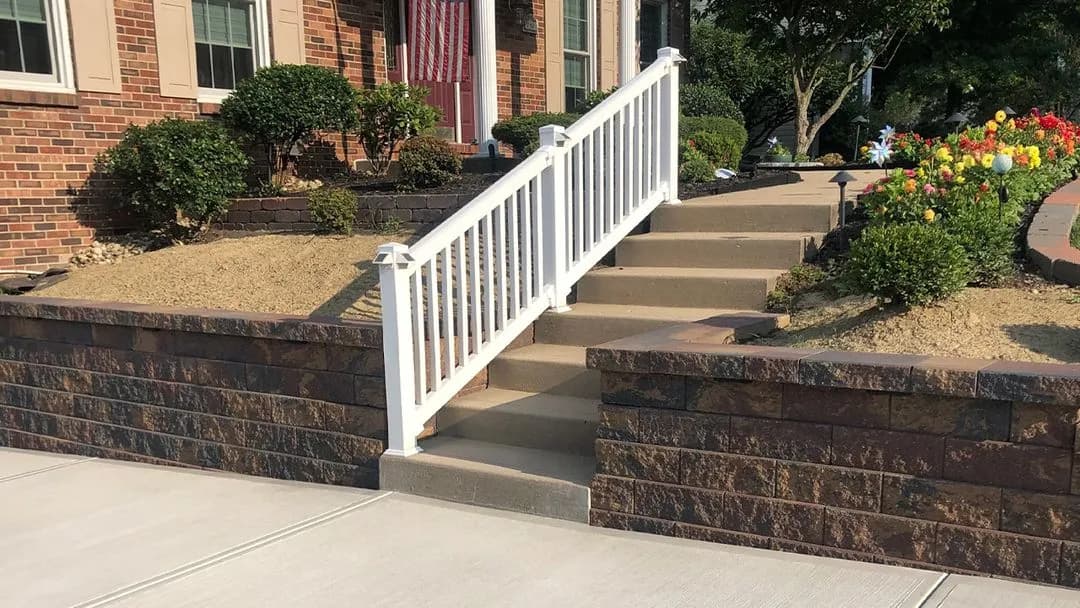
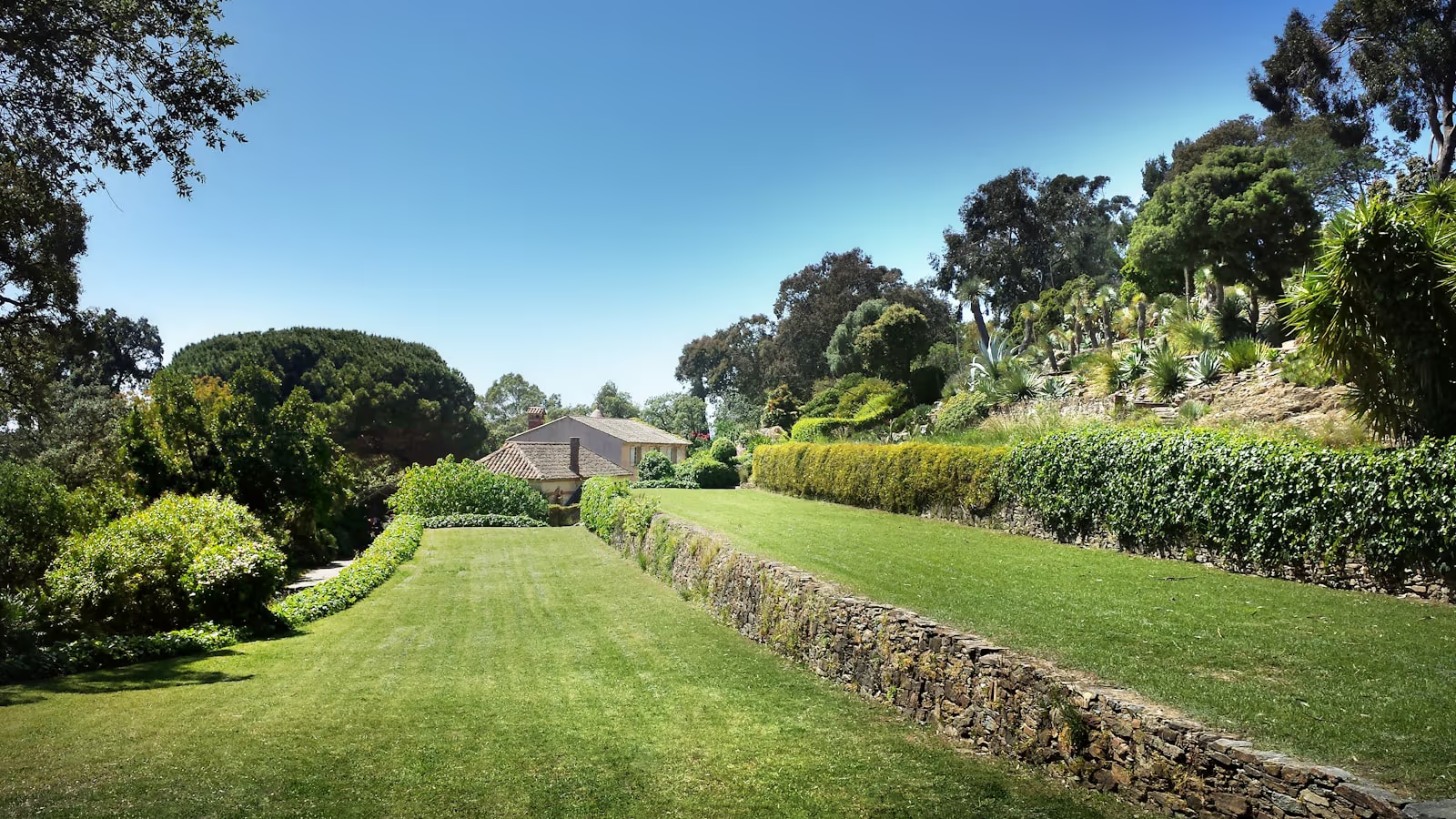
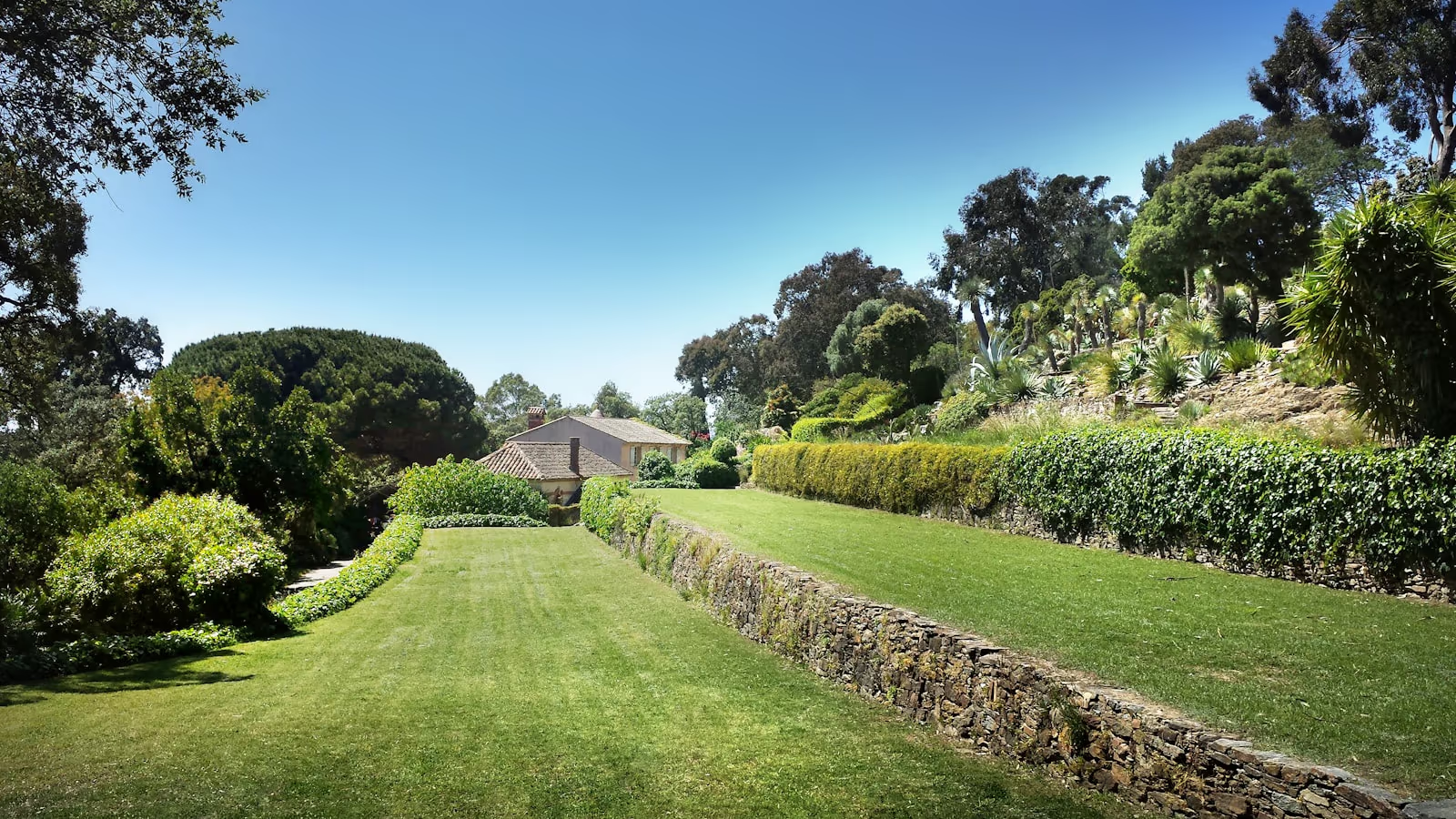
Terracing is the core move on any hillside steeper than a gentle grade. Instead of one 15-foot slope, a series of retaining walls breaks it into two or three shorter runs of 4 to 6 feet each, with a flat or gently sloped terrace behind each wall. Shorter runs erode less, drain more predictably, and give you usable flat ground, a planting bed, a patio, a stretch of lawn, instead of a slope that's only good for looking at.
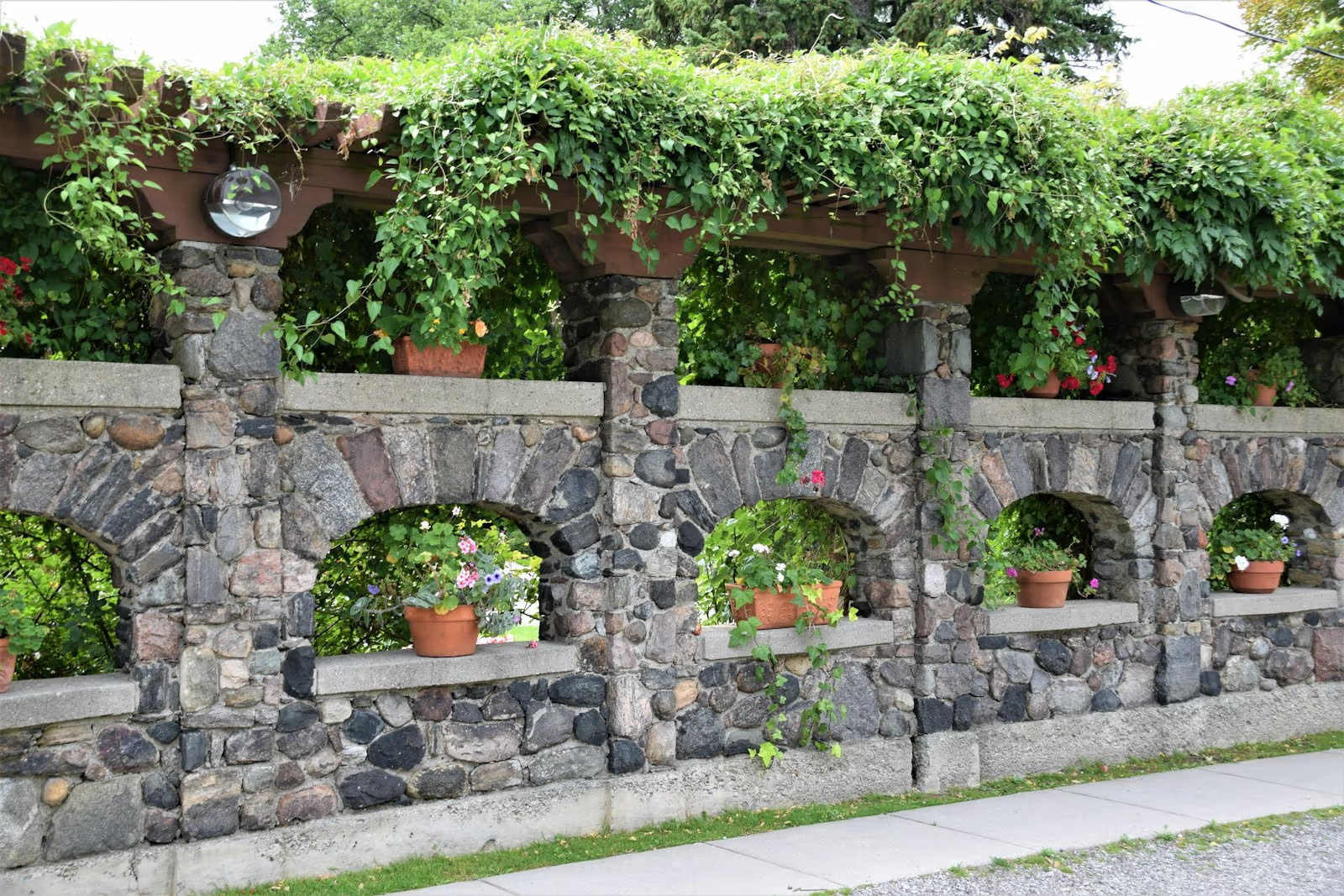
The wall itself does the structural work: a compacted gravel base, drainage aggregate and a perforated pipe behind the face, and a footing sized to the wall's height and the soil it's holding back. Segmental block, natural stone, and poured concrete all work; the drainage behind the wall matters more than which material sits in front of it. A wall without drainage behind it is the one you see bowing after a wet winter.
Budget Tiers: What You Can Actually Do
Hillside work scales a long way, and the right tier depends on how steep the lot is and what you want to use the ground for.
Lower Budget: Plant and Grade
On a moderate slope that isn't actively eroding, regrading the surface slightly and planting a groundcover or native grass mix gets a lot of stability for comparatively little cost. This is the range where hydroseeding and the right plant choices do most of the work; our guide to erosion control plants covers what actually holds a Pittsburgh slope.
Mid Budget: One Terrace
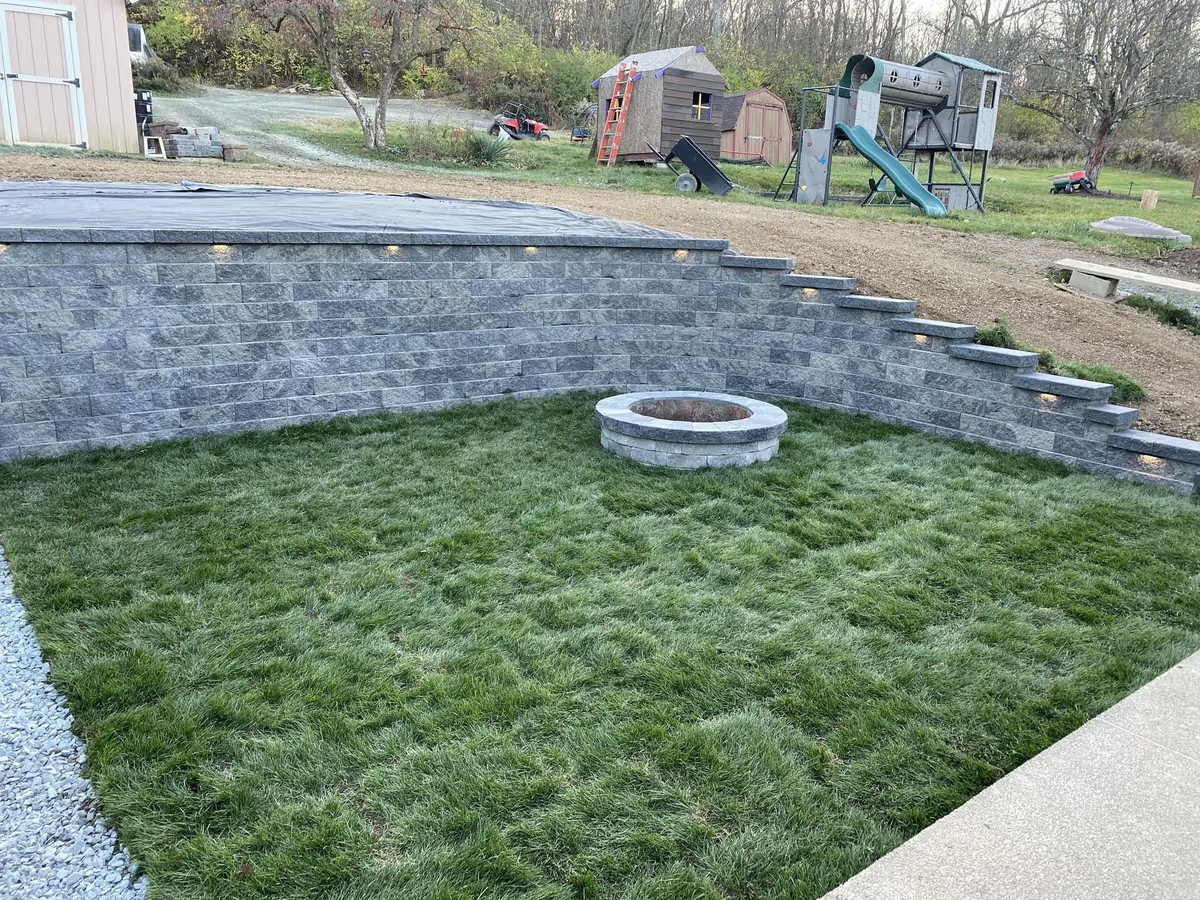
A single retaining wall, usually 3 to 4 feet, converts the lower third of a slope into usable flat ground while leaving the upper slope planted. This is a common move for reclaiming a small patio or fire pit area at the base of a hillside backyard without touching the whole grade.
Full Budget: Multi-Tier Terracing
Two or three walls stepping up the full height of the property turn an entire unusable hillside into a series of yards: a lawn terrace, a patio terrace, a garden terrace. This is a bigger excavation and engineering job, but it's the difference between a slope you maintain and a slope you actually use.
Low-Maintenance Planting That Doesn't Fight Back
Whatever tier you land on, the planting on a hillside should be chosen to need less from you over time, not more. Spreading evergreens like creeping juniper, native grasses like switchgrass, and self-seeding perennials like black-eyed Susan fill in on their own and don't need the mowing, edging, or replanting that turf on a slope demands. Turf on a real grade is one of the highest-maintenance choices available: it's hard to mow safely, it thins out under stress, and its shallow roots do the least of any planting to hold soil.
Drainage: The Requirement Nobody Budgets For
Every hillside landscaping project has a drainage component whether it's planned for or not, because water is what makes a slope move in the first place. Surface runoff needs a path that doesn't cut across a terrace or dump against a wall face. Groundwater moving through clay needs somewhere to go besides building up behind a wall. Skipping this step is the single most common reason a hillside project fails within a few years: the hardscape and planting were done right, but nobody planned where the water goes, and it found its own way, usually through the wall or under the patio.
When to Call an Excavator
DIY makes sense for planting and light regrading. It stops making sense once a wall goes over about 3 feet (engineering and permitting come into play), once heavy equipment access is needed to move real volumes of soil or stone, or once drainage has to be routed underground rather than just graded on the surface. That's the point where excavation work replaces yard work, and it's worth getting a quote before committing to a DIY plan that might need to be redone.
Figuring Out What Your Slope Needs
Every hillside is a little different, sun exposure, soil depth, how steep the grade actually is, and the right approach depends on getting those specifics right rather than applying a generic plan. Use our cost calculator to get a rough sense of budget, then contact us for a site visit. Dirt Works handles grading, retaining walls, and hillside landscaping across Pittsburgh's South Hills, and we'd rather size the project to what the slope actually needs than talk you into more or less than that.