
The Part of a Pool Project Nobody Photographs
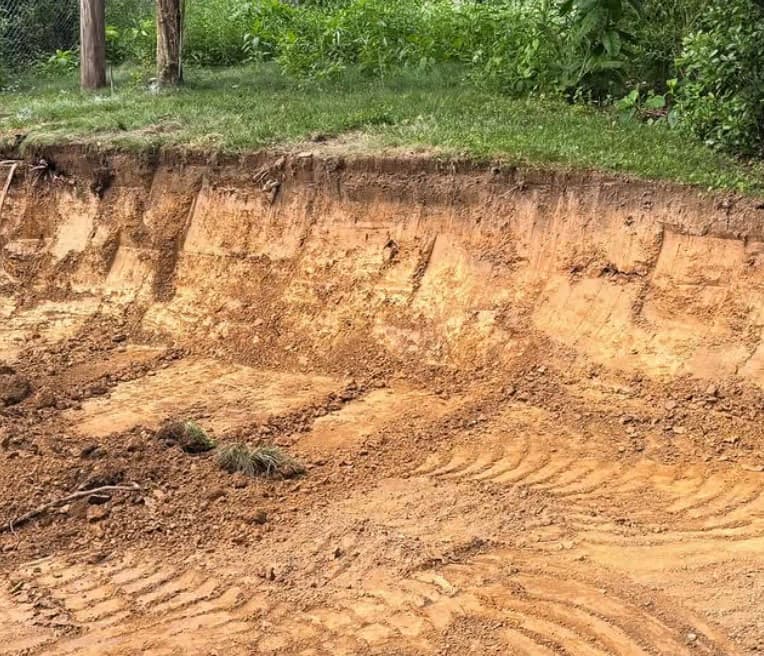
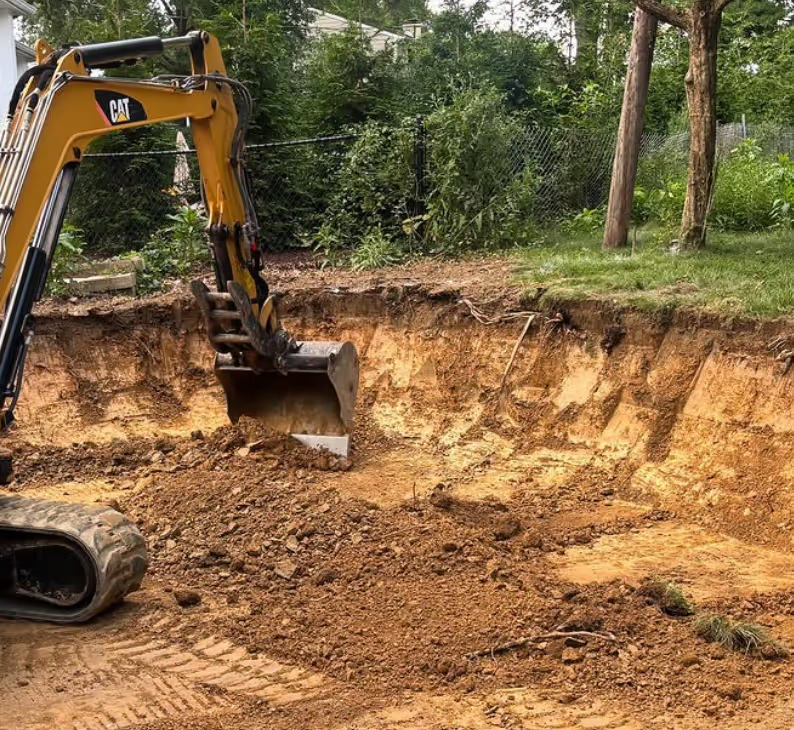
Every finished pool starts as a hole in the ground, and the quality of that hole decides how the rest of the project goes. Before a single panel or gunite spray goes in, someone has to open the ground to the right depth and shape, keep the walls stable, manage the water table, and haul out the spoil. On a Western PA lot, that first phase carries most of the risk, and it is where a pool build most often runs over budget when the ground turns out to be different than expected.
This is a look at what pool excavation actually involves here, and why the dig deserves as much attention as the pool shell it holds.
Access Is the First Constraint
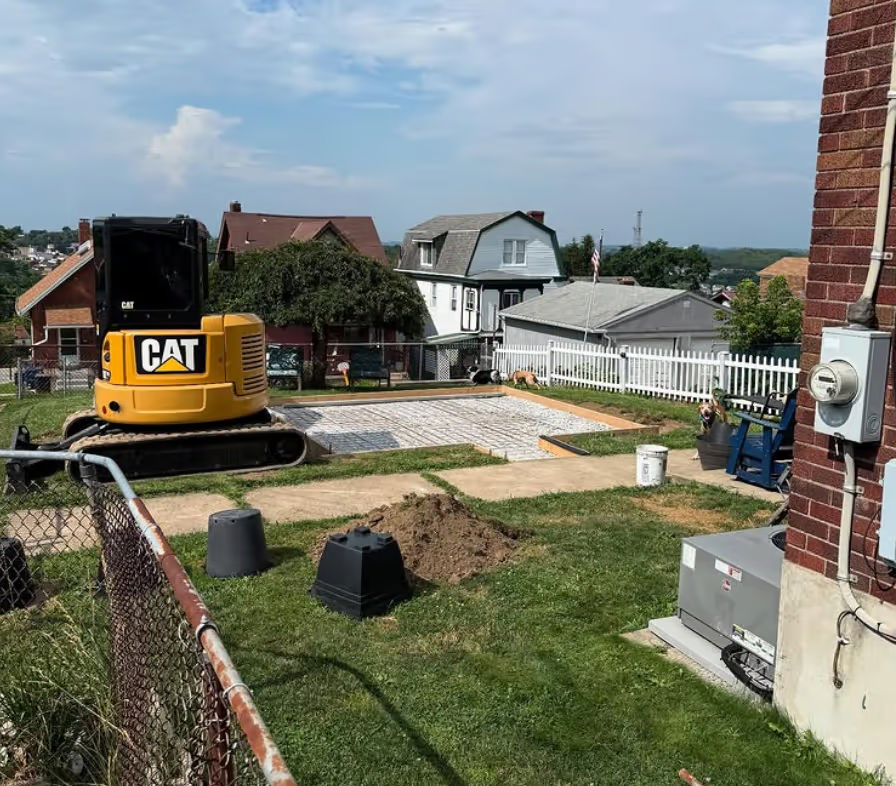
Before depth or soil enters the conversation, the question is whether the equipment can even reach the backyard. A lot of South Hills and Western PA properties are hillside lots with fences, tight side yards, mature trees, and utility lines between the street and the intended pool location.
That access dictates the machine. A full-size excavator moves dirt fast but needs room to get in and swing. A compact or mini excavator fits through a standard gate and works in tight quarters, but moves less per pass. Part of planning the dig is matching the machine to the approach, and sometimes it means temporarily removing a section of fence or protecting a driveway from track damage. A regional pool builder like Elements Landscape Management will typically scope access alongside the excavation crew before a shovel moves, because a machine that cannot reach the spot is a schedule problem before it is a dirt problem.
What Western PA Soil Does to a Dig
The ground under most of the region is clay-heavy, and clay changes the excavation math in a few ways.
It holds water. Clay drains slowly, so an open excavation can collect and hold groundwater and rain rather than letting it seep away. On wetter lots, that means dewatering during the dig and paying attention to how long the hole stays open. The walls need respect. Clay can stand fairly well in the short term but slump when saturated. Deeper pool excavations have to account for how the walls are cut back or supported so nobody works under an unstable face. Rock is always possible. Western PA sits over shale and sandstone, and it is common to hit rock partway down. That can mean slower digging or, occasionally, breaking, which is the kind of surprise that moves a timeline. An honest excavator flags rock as a possibility up front rather than as a change order later.Depth, Shape, and Overdig
A pool excavation is not just a rectangular pit. The crew digs to the pool's profile, including the shallow end, the slope to the deep end, and steps or benches, plus an overdig margin around the perimeter so there is room to set the wall structure and work behind it.
Getting that shape right the first time matters. Overdigging the deep end by a foot means backfill and compaction to bring it back, and under-digging means coming back to trim. This is where an experienced operator earns their keep: reading the stakes and grades and cutting close to the intended profile without going past it.
Where the Dirt Goes
An in-ground pool generates a large volume of spoil, often more than a homeowner pictures. A modest pool can produce dozens of cubic yards of excavated soil, and clay is heavy.
There are really two paths. Some of the material may be reused on site for grading, berming, or backfill if it is suitable. The rest has to be hauled off, which means dump trucks, a disposal destination, and the access to get trucks in and out. Planning the spoil early keeps the yard from becoming a stalled pile of clay for weeks, and keeps haul-off costs from becoming a surprise.
Base and Backfill Set Up Everything After
Once the hole is cut, the base is prepared to support the pool shell evenly. Depending on the pool type, that can mean a compacted stone or gravel base graded flat and level so the structure bears uniformly rather than settling into a soft spot later.
The stone, gravel, and backfill material for this stage has to be the right gradation and clean, which is where a regional materials supplier such as Elements Landscape Supply fits into a pool build, providing the aggregate base and backfill by the load. Poor base material or sloppy compaction undoes good excavation work: the pool that was set perfectly level can shift if what is under and around it was never compacted properly.
Backfill around the shell after installation follows the same rule. It goes in in controlled lifts and gets compacted, so the ground around the pool does not settle and pull hardscape or decking with it a season later.
Why the Dig Is Worth Doing Right
A pool is a long-term structure sitting in ground that moves with water and frost. Almost every problem that shows up years later, a settling deck, a shifting shell, drainage collecting where it should not, traces back to how the ground was opened, based, and backfilled at the start.
That is why the excavation phase deserves a real plan rather than a rushed afternoon with a machine. Access, soil, depth, spoil, and base are all decisions that either set the project up to last or leave it fighting the ground for years.
Planning a Pool Project Around Pittsburgh?
Dirt Works handles excavation and site work across Pittsburgh's South Hills, including the dig, spoil haul-off, base prep, and backfill that a pool installation depends on. If you are planning a pool and want the ground handled right, reach out for a look at the site before the build gets scheduled.