
Topsoil and Fill Dirt Are Not the Same Material
Homeowners planning a grading project often ask for "dirt" without realizing they need to pick between two materials that do different jobs. Fill dirt and topsoil get confused constantly, partly because some suppliers use the terms loosely, and picking the wrong one wastes money either way: paying topsoil prices for material that's just going to get buried, or trying to grow a lawn in dirt that was never meant to support anything.
What Fill Dirt Actually Is
Fill dirt is subsoil: the layer beneath topsoil that's low in organic matter and often heavy with clay, the same dense clay that sits under most of the South Hills. It's sold by volume for one purpose, filling space and building up grade, not for growing anything. Fill dirt compacts well when it's placed and tamped in lifts, which is exactly what you want under a patio base, in a low spot that needs raising, or around a foundation after excavation work. Trying to grow grass directly in fill dirt is a losing fight; it holds water wrong, compacts too hard for roots, and has none of the organic content a lawn needs.
What Screened Topsoil Actually Is
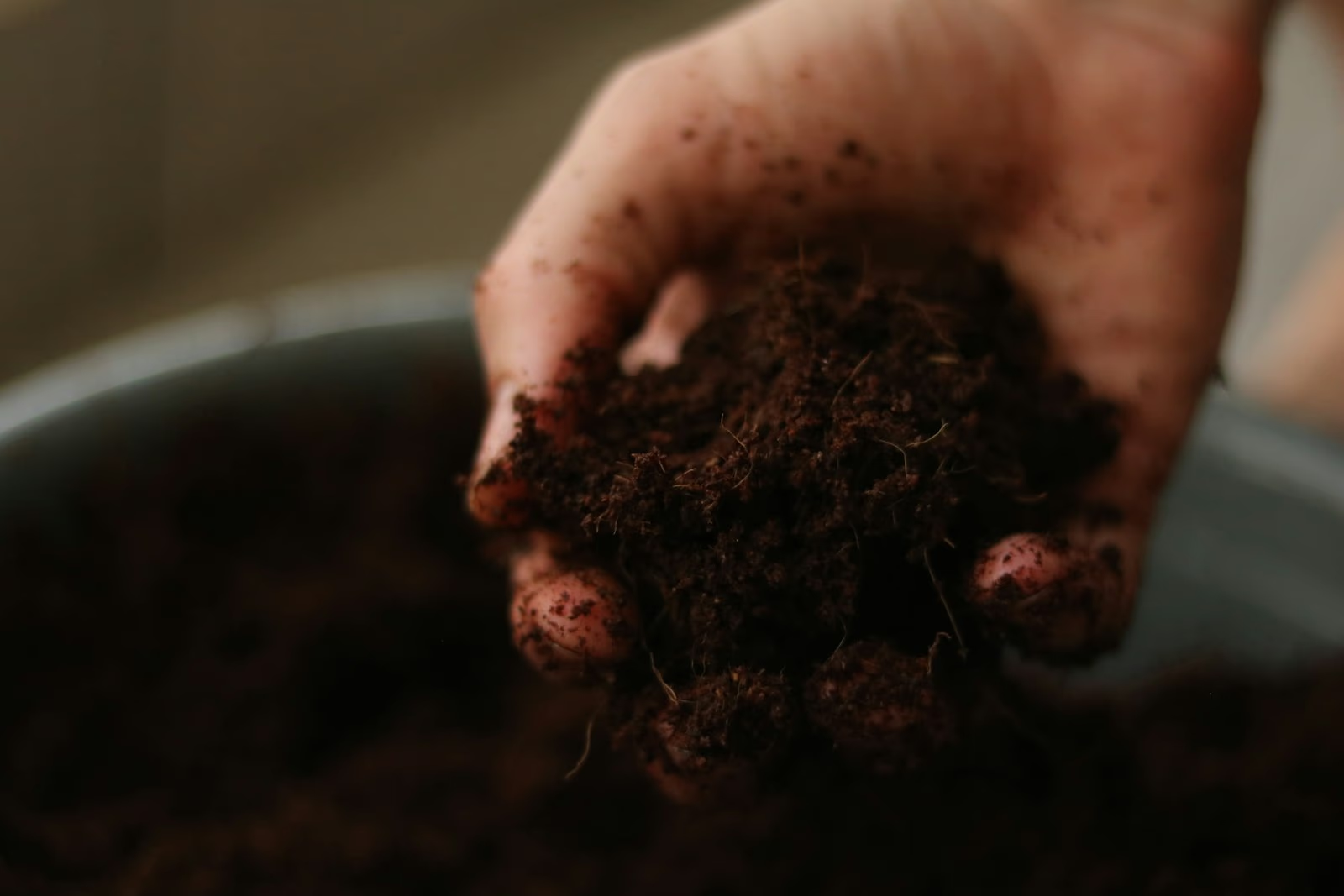
Screened topsoil is the organic-rich upper layer of soil, run through a mesh screen to remove rocks, roots, and clumps before it's sold. It's darker, looser, and crumbles apart in your hand rather than clumping like clay. This is the material that goes on top, the final 4 to 6 inches that seed, sod, or plants actually grow in. Unscreened topsoil exists too and it's cheaper, but it usually still has rocks and debris mixed in that make it a worse choice for anything you're planting into directly.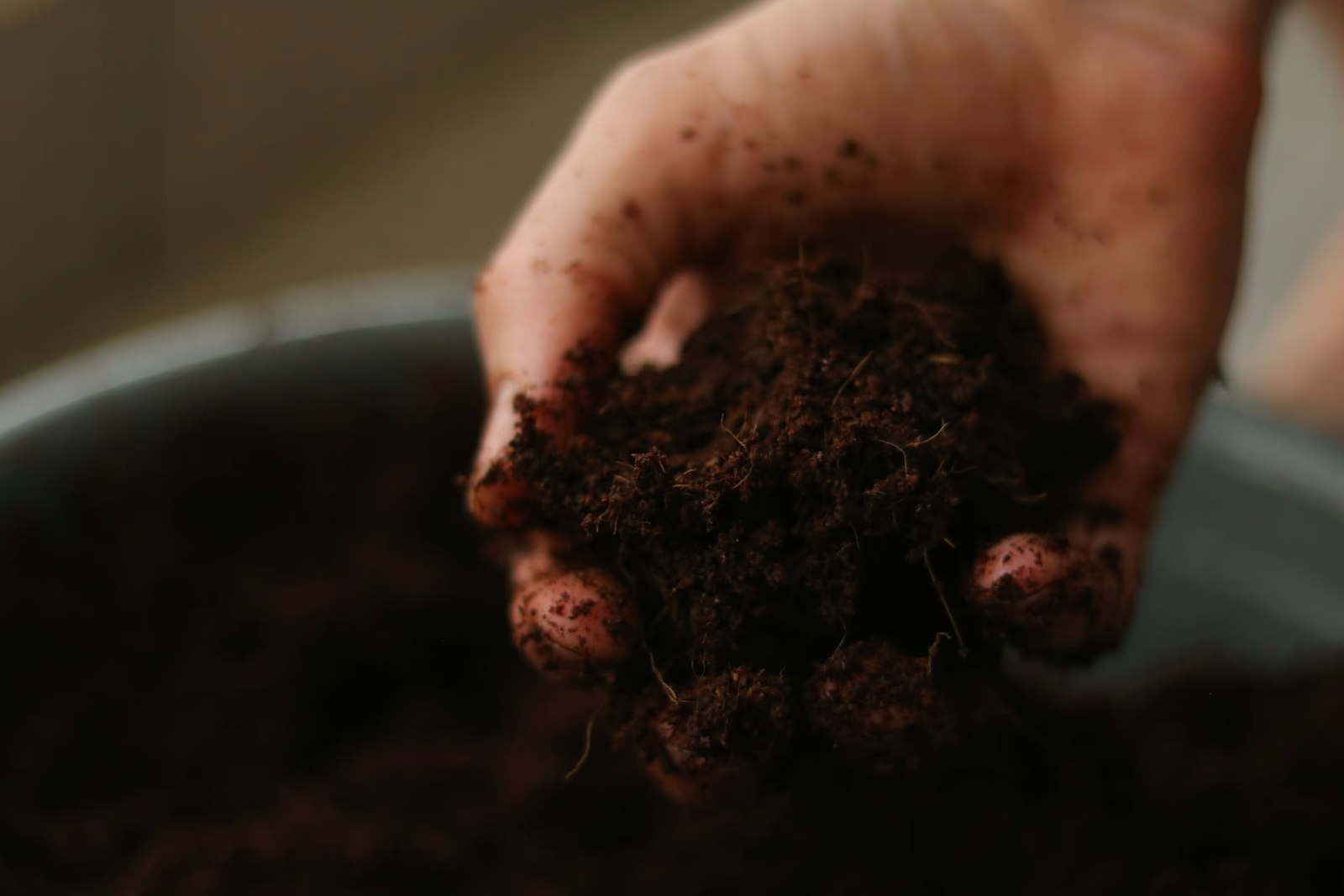
How Much Does a Yard of Topsoil (and Fill Dirt) Weigh
This is the question that trips people up when they're ordering by the truckload instead of the bag, because weight determines what a truck or trailer can actually haul.
- A cubic yard of screened topsoil runs roughly 2,000 to 2,700 pounds, depending on moisture content. Dry, bagged-style topsoil sits toward the lower end; topsoil that's been rained on or delivered wet can push toward 3,000 pounds.
- A cubic yard of fill dirt typically runs heavier, often 2,500 to 3,000+ pounds, because it's denser subsoil with a higher clay content and less air pocketed between particles.
For scale, a standard dump truck load of 10 to 15 cubic yards of topsoil weighs somewhere around 10 to 20 tons, which is why access and truck size matter on tighter South Hills lots with steep or narrow driveways.
When to Use Which
The rule of thumb: fill dirt does the structural work below grade, topsoil does the growing work above it.
- Raising a low spot or building up grade: fill dirt, compacted in lifts, then capped with topsoil if anything will grow there
- Filling a hole after removing a stump, tank, or old foundation: fill dirt, tamped as it goes in to avoid future settling
- The final layer before seeding, sodding, or planting: topsoil, 4 to 6 inches for lawn, 8 to 12 for garden beds
- Leveling a yard that's mostly cosmetic, no real elevation change: topsoil alone is often enough
Mixing the two in the wrong order, topsoil on the bottom and fill dirt on top, buries the one material you actually need at the surface. Order matters as much as the material itself.
Where to Buy Fill Dirt and Topsoil in Pittsburgh
Fill dirt is often available cheaper or free from active excavation sites nearby, since contractors need somewhere to put clean spoil, but quality and consistency vary and it's worth asking what's actually in it before a load shows up. For topsoil, a supplier that screens their own material and can tell you where it came from is worth the small premium over the cheapest listing. Our supply page lists what we carry and deliver locally. Related reading: our breakdown of how much topsoil a typical project needs and where to source bulk stone, topsoil, and mulch for bigger jobs.
Red Flags in Cheap Fill Dirt
Not all fill dirt is equal, and the cheapest load on Craigslist or Facebook Marketplace sometimes comes with problems:
- Construction debris, brick, concrete chunks, or trash mixed into the load
- Contaminated soil from a site with unknown history, an old fuel tank or industrial use
- Heavy tree roots and stumps that will rot and create voids as they decompose
- Wildly inconsistent moisture and composition load to load, making compaction unpredictable
A reputable supplier or excavation contractor can tell you where the material is coming from. If nobody can answer that question, that's the flag to walk away.
Getting the Right Material for Your Project
Picking between topsoil and fill dirt comes down to what's happening at that spot in the yard, structural fill below grade or a growing layer above it, and getting it backwards costs more to fix than it would have to do right the first time. Dirt Works handles excavation, grading, and material delivery across Pittsburgh, and we can help figure out what your project actually needs before a truck shows up. Contact us with the details and we'll size it out.