
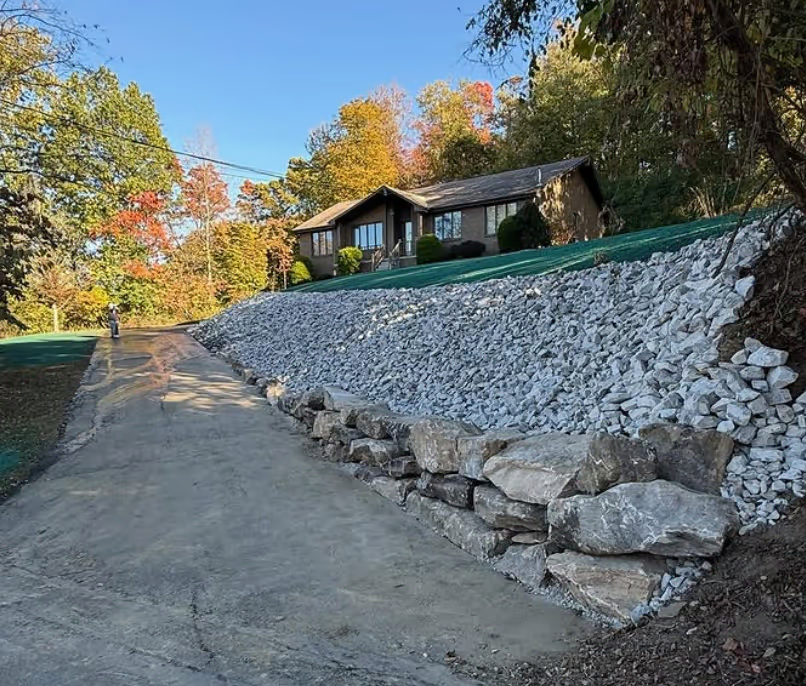
When Repair Makes Sense and When It Doesn't
Most retaining walls don't collapse overnight. They lean, crack, or shift slowly enough that homeowners patch them year after year without realizing the underlying problem was never actually solved. Some repairs just delay the inevitable. A wall that needed replacing five years ago isn't cheaper to fix now.
The difference between a wall that can be repaired and one that needs to come out comes down to what's failing. Surface issues (minor cracks, a few displaced stones, isolated mortar deterioration) are usually fixable. Structural issues (the wall moving as a whole, drainage failing behind it, the base losing support) generally aren't. Patching the surface doesn't fix what's happening underneath.
Here's how to read what your wall is actually telling you.
Signs the Wall Can Still Be Repaired
Not every cracked or weathered wall is a lost cause. These are situations where repair is typically the right call:
Isolated cracking in one section. A crack that runs through a few blocks but hasn't spread to adjacent sections usually means localized settlement or a single bad joint, not a wall-wide failure. A contractor can remove and reset those courses without touching the rest of the structure. Minor displacement on a well-drained wall. If a small section has shifted but the wall behind it is dry and the footing is still solid, it's likely a frost-heave issue or a single weak spot. Resetting those blocks with proper base material usually holds. Surface spalling or mortar erosion. Concrete and mortar deteriorate on the surface over time, especially through Pittsburgh winters. Surface treatment and repointing can extend a structurally sound wall significantly.The key phrase in all three: the structure *behind and below* the wall is still intact.
Signs It's Time to Replace
These are the situations where repair work tends to be money spent twice:
- The wall is visibly leaning. A slight lean is often frost movement and can be monitored. Once a wall is noticeably out of plumb (you can see it tilting when you stand back), the base has shifted enough that resetting individual sections won't correct it. The whole wall needs to come out, the footing rebuilt, and drainage addressed before it goes back up.
- There's a gap opening between the wall and the hillside. This is one of the clearest warning signs. That gap means the wall has moved away from the soil it's supposed to be holding, and soil is starting to migrate or wash into the void. Once this is happening, the wall isn't doing its job anymore, and that gap will only grow.
- Water is pushing through the face or pooling at the base. Retaining walls are designed to manage drainage, not fight it. If water is seeping through the face, collecting at the base, or causing the wall to bow outward in wet weather, the drainage system behind the wall has failed. You can rebuild the wall itself, but until you address what's happening behind it (a failed or absent drainage layer), the new wall will fail the same way.
- Multiple sections are going in the same season. When a wall starts failing in two or three places at once, the cause is usually widespread: drainage failure, base erosion, or soil movement affecting the whole structure. Chasing individual repairs on a wall like that rarely works out. You end up spending similar money piecemeal without actually solving the problem.
- The wall is getting old and showing any of the above. Older timber walls have a hard limit: the wood rots from the inside and loses structural integrity even when it still looks passable from the front. Block walls last longer, but the drainage aggregate and filter fabric behind them degrades over time. Age combined with active problems is a reliable sign to stop patching and start planning.
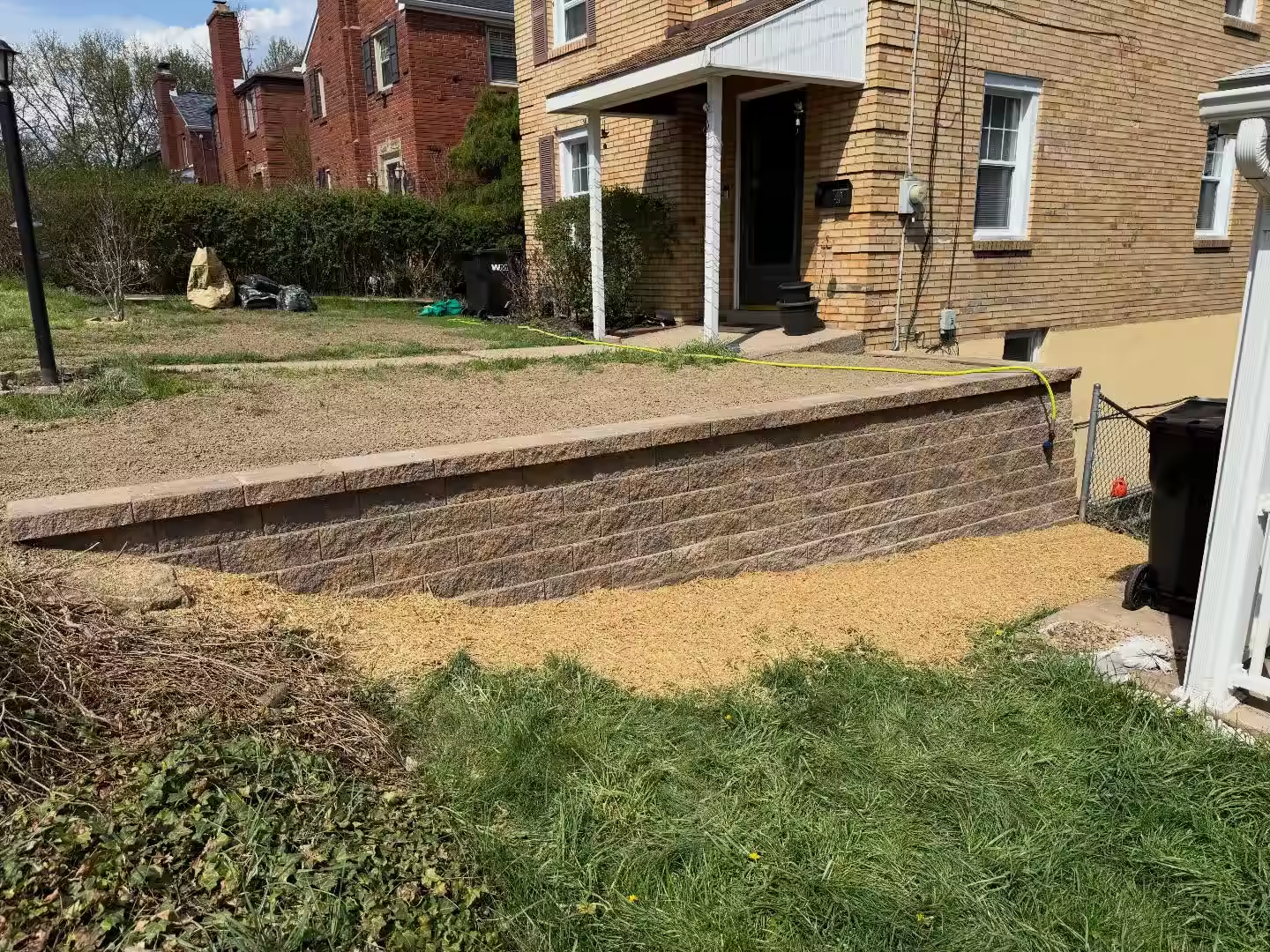
Why Pittsburgh Walls Fail Faster Than Most
The South Hills puts extra stress on retaining walls compared to most of the country. Pittsburgh's freeze-thaw cycle is one of the most punishing in the region. Water behind a wall expands when it freezes and pushes directly against it. Repeat that 30 to 50 times in a single winter and it's clear why walls built without proper drainage start failing within a decade.
Clay soil makes it worse. Clay holds water rather than letting it drain, which means the pressure behind a wall stays elevated for days or weeks after heavy rain. A wall that would survive just fine in sandy soil will fail in South Hills clay if the drainage wasn't done right.
The hillside density of neighborhoods like Jefferson Hills, Mt Lebanon, South Park, and Bethel Park also means a lot of these walls are 20 to 30 years old, built before drainage requirements were taken seriously. If your wall was there when you bought the house and you don't know its age, treat it as older. A failing wall on a hillside is a drainage problem, a grading problem, and sometimes a safety problem all at once.
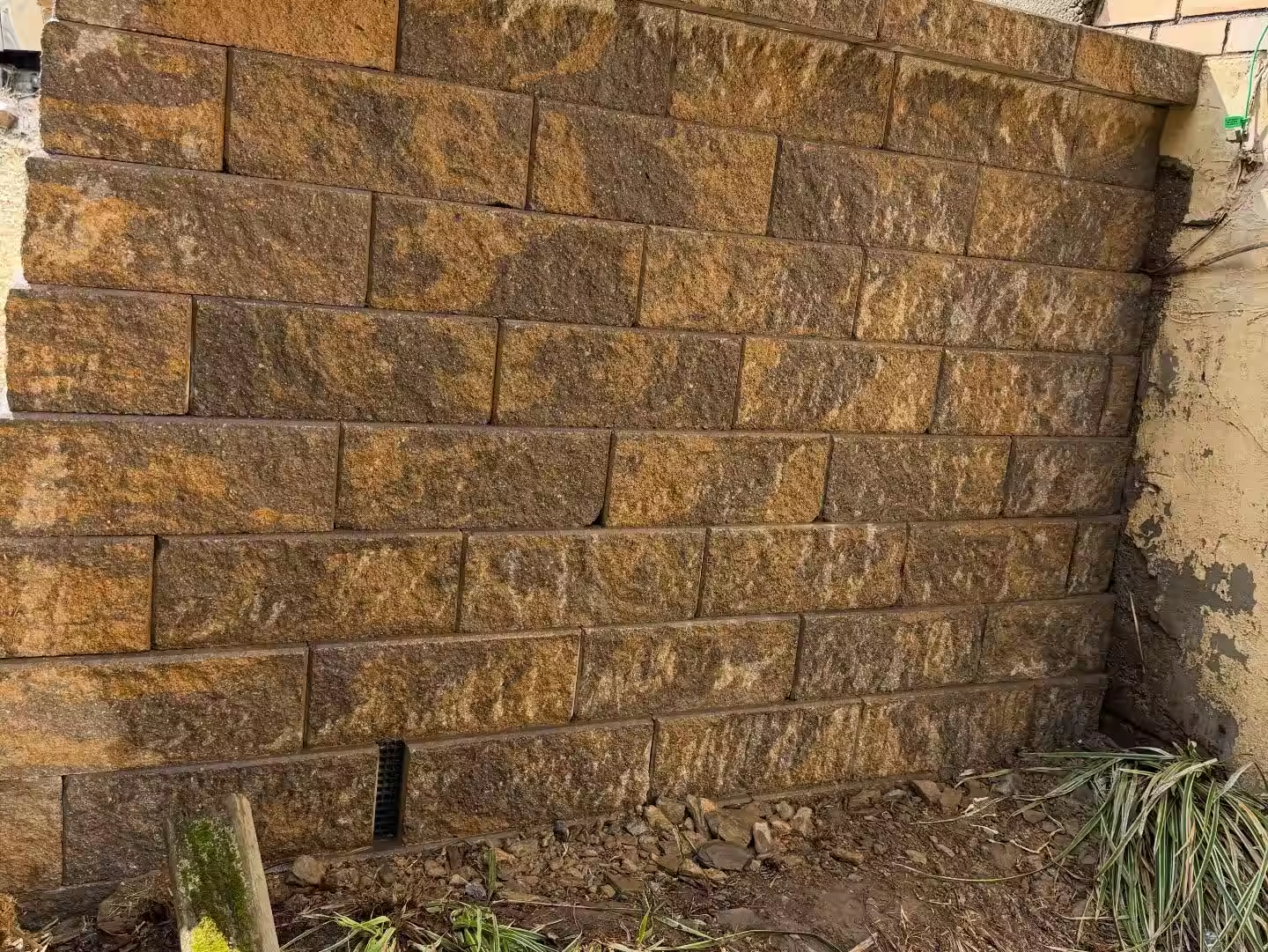
What a Proper Replacement Involves
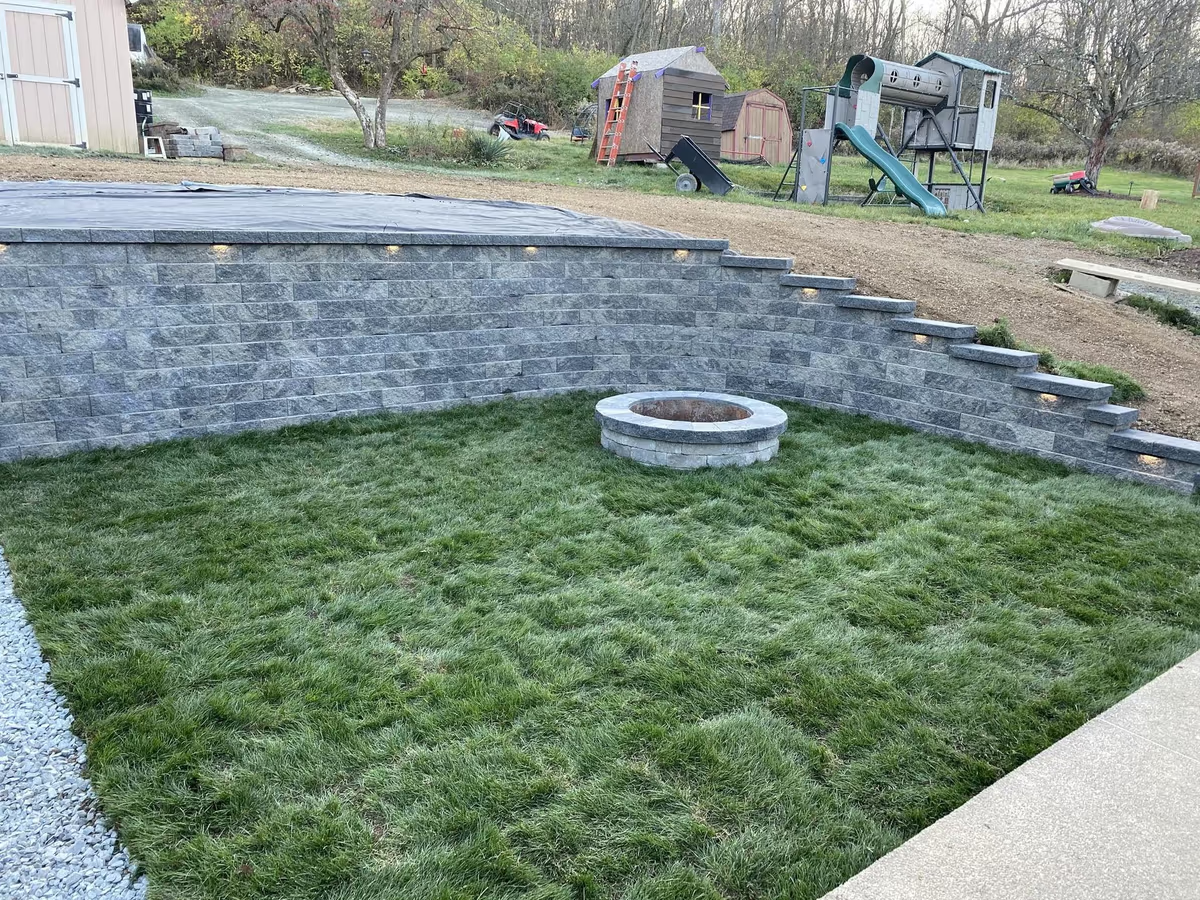
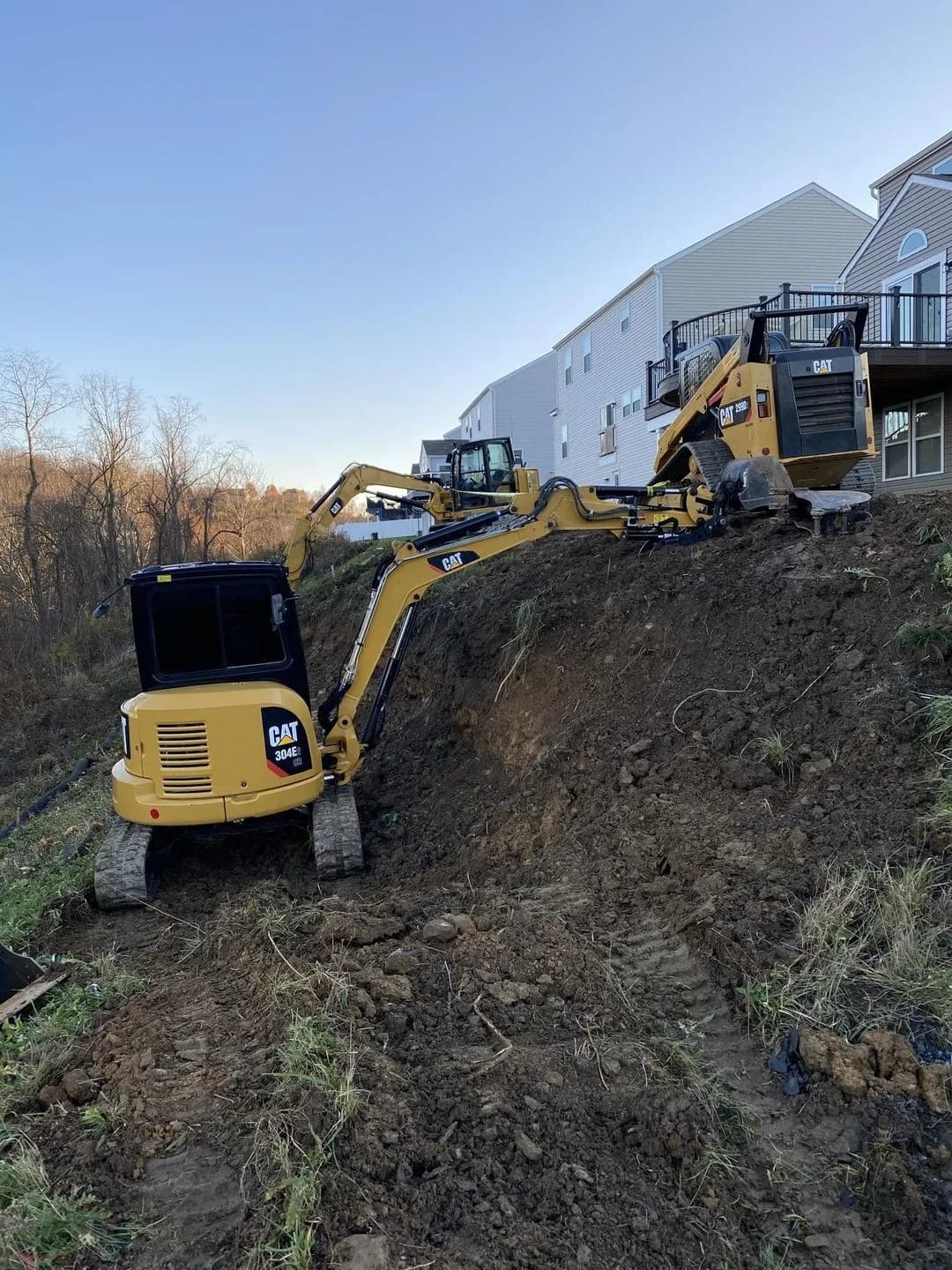
Replacing a retaining wall isn't just pulling out blocks and putting new ones in. The real work is what happens behind the wall: excavating back into the hillside, installing properly sized drainage aggregate, running a perforated drain pipe to daylight, and placing filter fabric to keep soil from migrating into the drainage layer over time. Skipping any of those steps is how you end up with the same problem five years from now.
On steep or complex lots, site grading may also need to be addressed at the same time, correcting the grade so water moves away from the wall base rather than toward it. Getting those two things handled together usually produces a better long-term result than doing them separately.
If you have a wall that's showing any of these signs, or you've been patching the same section for a few years, reach out to Dirt Works for a look at it. We work across the Pittsburgh South Hills: Whitehall, Jefferson Hills, South Park, Mt Lebanon, Castle Shannon, Bethel Park, Baldwin, and Peters Township. We'll tell you straight whether it's a repair or a replacement. Call (412) 770-5334.