
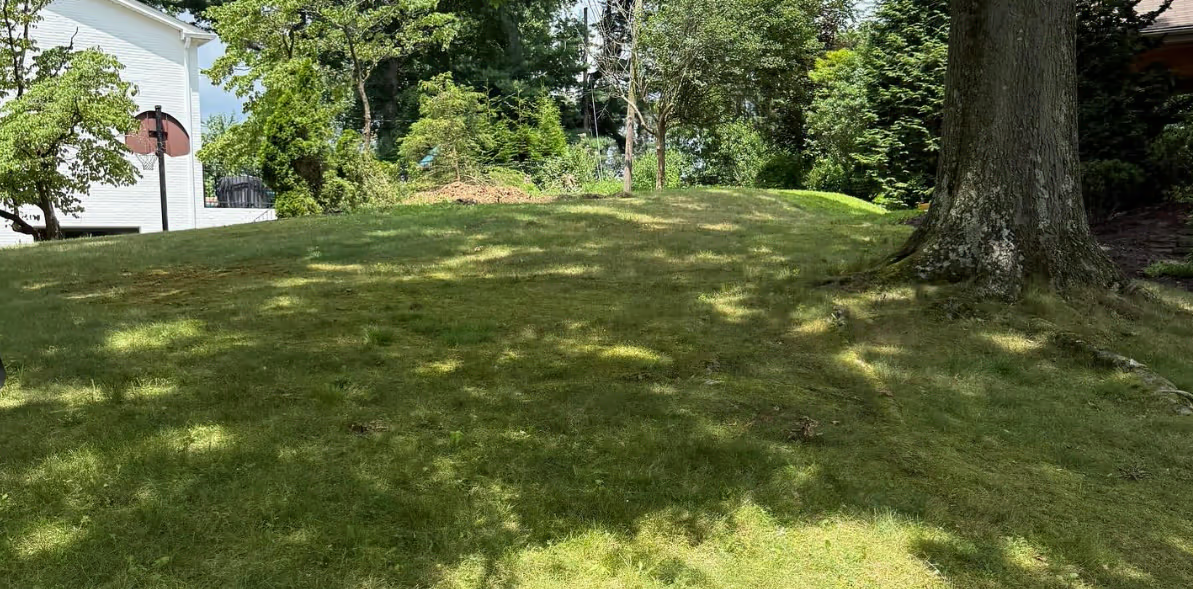
Why Pittsburgh Lawns Need Aeration
Most lawns in Pittsburgh and the South Hills sit on heavy clay soil. Clay compacts easily under foot traffic, mowing, and rain. Once compacted, roots can't penetrate deeply, water pools on the surface rather than soaking in, and fertilizer runs off instead of reaching the root zone. The result is a lawn that looks stressed, thins out over time, and doesn't bounce back from summer heat.
Core aeration is the mechanical solution. A core aerator pulls small plugs of soil out of the ground (typically 2 to 3 inches deep, spaced 3 to 4 inches apart), creating channels for air, water, and nutrients to reach the roots. Combined with overseeding immediately after, it's the most effective single-season treatment for restoring a tired Pittsburgh lawn.
The Best Time to Aerate and Overseed in Pittsburgh
Fall Is the Prime Window
Late August through early October is the ideal time for aeration and overseeding in Pittsburgh. Here's why:
Soil temperatures are perfect. Cool-season grasses (tall fescue, Kentucky bluegrass, and perennial ryegrass) germinate best when soil temperatures are between 50°F and 65°F. Pittsburgh soils hit that range in late August and stay there through September. Less competition from weeds. Crabgrass and other summer annuals are dying back in fall, so new grass seedlings don't have to compete with aggressive weed growth. Strong root growth before winter. Grass roots grow actively through fall even as tops slow down. Seed that germinates in September has six to eight weeks to establish before hard frost: enough time to build a root system that survives winter and comes back thick in spring. Recovery time is short. Aeration leaves your lawn looking rough for a week or two while cores break down. Fall timing means the lawn recovers before winter and looks great the following spring.Spring Aeration
Spring aeration, typically late April through May, makes sense when:
- Your lawn is severely compacted and you can't wait until fall
- You're overseeding bare spots left from winter damage
- You missed the fall window
The downside to spring overseeding is competition from weeds and summer heat stress on young seedlings. If you aerate in spring, plan on keeping up with watering through June as the new grass establishes.
One important note: If you applied a pre-emergent crabgrass preventer in spring, do not overseed at the same time. Pre-emergent products prevent all seeds from germinating, including your grass seed.What Core Aeration Actually Does
The plugs pulled out of your lawn during aeration serve multiple purposes:
Relieves compaction: Opens channels through dense clay layers, allowing roots to grow deeper and access moisture further down. Reduces thatch buildup: Thatch is the layer of dead organic matter between grass blades and soil. A thin layer is fine; more than half an inch blocks water and nutrients. The soil organisms introduced through aeration help break down thatch naturally. Improves water absorption: Compacted soil sheds water. Aerated soil absorbs it. This directly reduces the pooling and runoff common on South Hills clay lawns. Better fertilizer uptake: Nutrients applied after aeration reach the root zone instead of sitting on a hard surface.Overseeding After Aeration
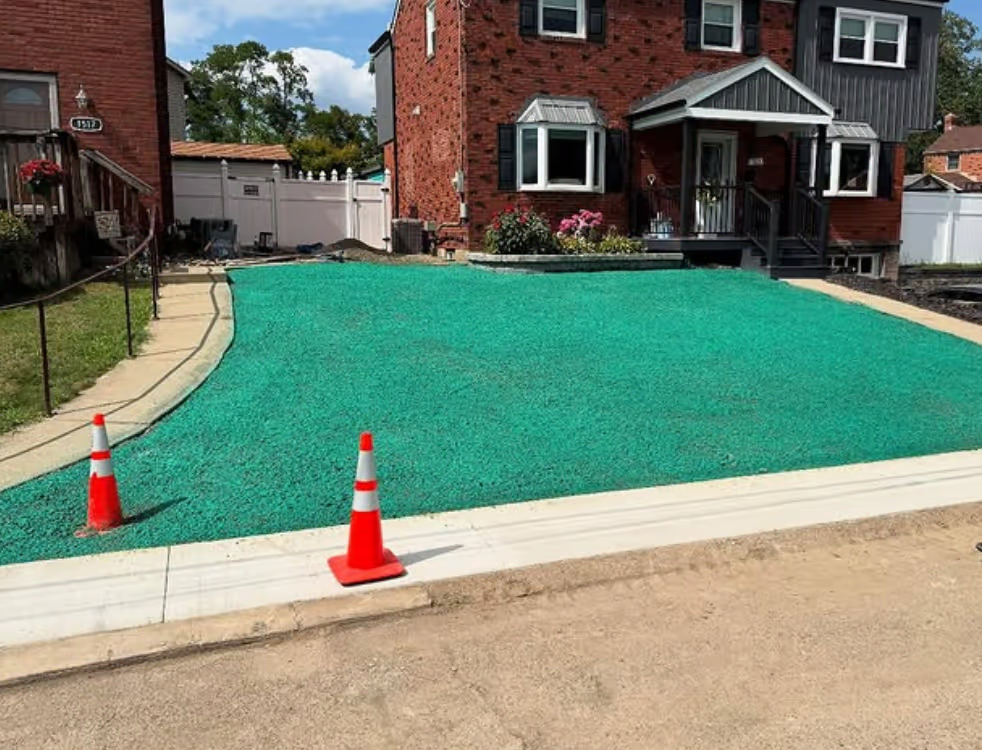
Aeration without overseeding leaves the holes empty. Overseeding immediately after aeration puts seed directly into those channels, giving new grass ideal seed-to-soil contact and a protected environment to germinate.
Seed Selection for Pittsburgh
Cool-season grass blends perform best in Pittsburgh's climate. Look for:
- Tall fescue: drought tolerant, handles shade, deep-rooted; ideal for most South Hills properties
- Kentucky bluegrass: beautiful, self-repairing, but needs full sun and consistent moisture
- Perennial ryegrass: fast germination, good wear tolerance; often blended with bluegrass
We use seed blends matched to your specific lawn's sun exposure, soil type, and existing grass varieties.
What to Expect After Overseeding
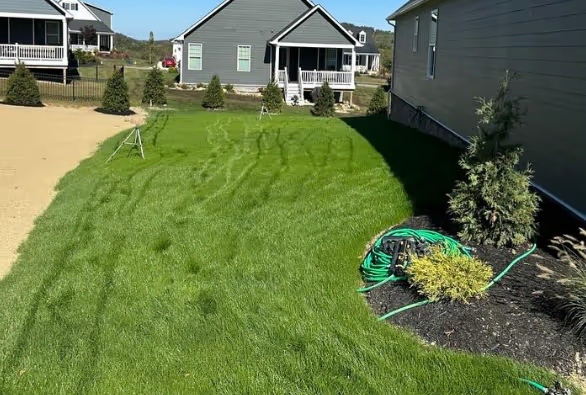
Days 7 to 14: You'll start seeing germination in the aeration holes first, then spreading outward. Keep soil consistently moist. Weeks 2 to 4: Coverage fills in as root systems develop. The lawn may look uneven during this stretch; that's normal. By first hard frost: New grass should be well-rooted and ready for winter dormancy. The following spring: The difference is visible. The lawn should be noticeably thicker, greener, and more uniform than it was the previous year.How Often Should You Aerate?
For most Pittsburgh properties:
- Heavy clay soil with high traffic: Aerate annually, ideally every fall
- Average lawn with moderate traffic: Every two years
- Sandy or loamy soil, low traffic: Every three years
If your lawn has never been aerated, start with two consecutive fall treatments and assess from there.
Preparing Your Lawn for Aeration
A few things to do before the aerator arrives:
- Water deeply two days before: Moist soil allows cores to pull cleanly. Dry, hard soil results in shallow, poor-quality plugs.
- Mark sprinkler heads and shallow utilities: Aerator tines can damage irrigation lines.
- Mow shorter than usual: Cut at 1.5 to 2 inches before aeration so seed makes better contact with soil.
- Do not apply pre-emergent: As noted above, this prevents germination.
Get on the Fall Schedule
Fall aeration and overseeding books up in August and September. If you're planning to treat your lawn this fall, reaching out now ensures you get on the schedule before prime timing passes.
Dirt Works provides lawn aeration and overseeding throughout Pittsburgh's South Hills including Whitehall, Jefferson Hills, Peters Township, South Park, Baldwin, Mt. Lebanon, Castle Shannon, and Bethel Park. Contact us for a free estimate.