
The Two Windows That Work in Pittsburgh
Hydroseeding depends on the right soil temperature, moisture, and air temperature for germination to take hold. In Pittsburgh, that gives you two reliable windows each year: spring (late April through early June) and early fall (late August through mid-September).
Spring is often the better choice for homeowners completing a new project, especially when grading, excavation, or construction wrapped up over winter or early spring. Soil is moist, temperatures are ideal for germination, and the grass has the full growing season ahead before facing any summer heat stress.
Why Spring Works for Pittsburgh Lawns
Pittsburgh's spring brings moderate temperatures in the 50s to 70s, regular rainfall, and good soil moisture from snowmelt. These are near-ideal conditions for cool-season grasses like Kentucky bluegrass, tall fescue, and perennial ryegrass, the varieties that perform best in our climate long-term.
The advantage spring holds over summer is significant. July and August hydroseeding requires constant watering to offset heat and dry spells, and young grass faces immediate stress before roots have time to develop. Spring-seeded lawns get two to three months of favorable conditions to build strong root systems before summer arrives.
Timing Within the Season
Soil Temperature Is What Really MattersGrass seed needs soil temperatures of at least 50°F for germination, and success rates improve as temperatures approach 60°F to 65°F. Pittsburgh soils typically reach 50°F in mid-to-late April, making that the earliest practical start for spring hydroseeding.
Seeding in March when ground temperatures are still in the 40s leads to slow, uneven germination and leaves seed exposed to potential late frosts. Waiting until late April or early May gives you the best results.
The End of the WindowOnce daytime highs regularly push into the 80s and soil temperatures climb above 75°F, cool-season grasses struggle to germinate well. In Pittsburgh, that shift typically happens in late June or July. Your spring window runs roughly late April through early June, about six to eight weeks.
Preparing Your Yard for Hydroseeding
The work that happens before the hydroseeder arrives is just as important as the application itself.
Grading and TopsoilHydroseeding performs best on properly graded soil with a quality topsoil layer. If your project involved excavation or construction, we assess the grade, bring in topsoil where needed, and ensure the surface is ready. Applying hydroseeding directly onto compacted subsoil produces poor, uneven results.
Clear Debris and Old VegetationRemove construction debris, dead vegetation, and large rocks. The hydroseeding slurry needs direct contact with bare soil to work.
Consider Soil pHIf you're seeding an area with a history of poor lawn performance, a basic soil pH test is worth doing. Cool-season grasses prefer a pH between 6.0 and 7.0. Pittsburgh soils tend toward acidity in some areas, and adding lime before hydroseeding can make a real difference.
What Happens During Application
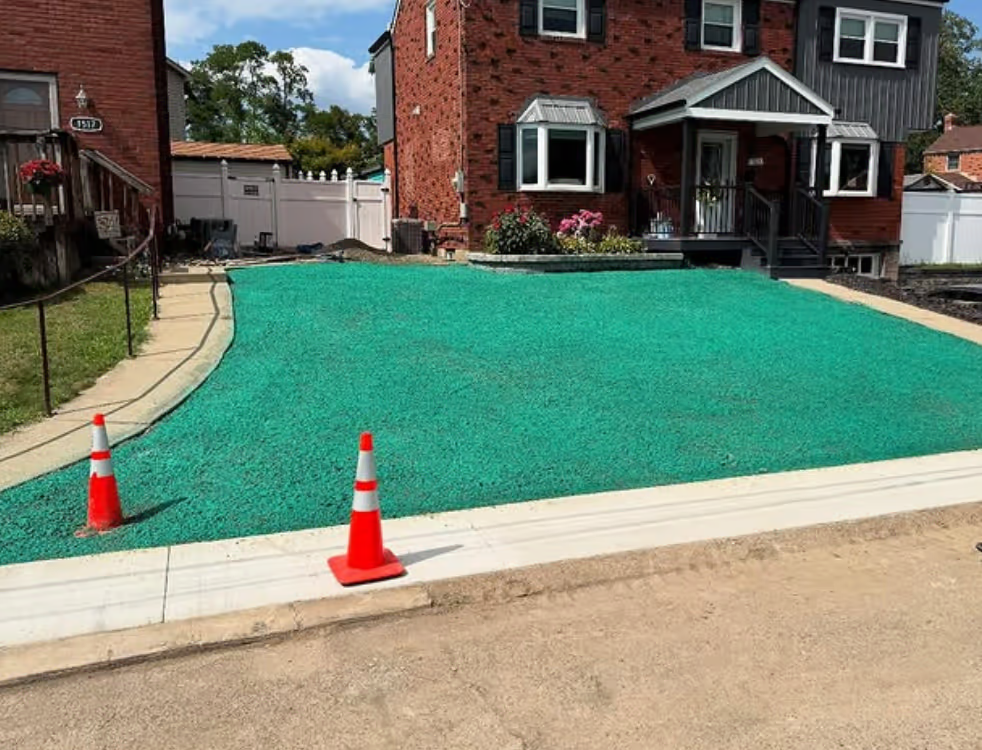
The hydroseeder applies seed, wood fiber mulch, starter fertilizer, and a tackifier (a binding agent that holds everything in place on slopes) in a single pass. Most residential lawns take a few hours. The slurry looks bright green or blue-green immediately after application and will fade to brown as it dries. That's completely normal.
What to Expect After Application
Days 1 to 14Keep the area consistently moist with light watering two to three times daily when there's no rain. Avoid heavy watering that causes runoff; moisture without erosion is the goal. You should see the first green shoots within seven to fourteen days under good spring conditions.
Weeks 2 to 4Growth picks up as temperatures rise. The lawn may still look thin and uneven; this is normal. Continue watering, but you can start spacing it to once daily as the grass fills in.
Weeks 4 to 8The lawn thickens noticeably as root systems expand. Spots that appeared bare through week three often fill in during this stretch. Minimize foot traffic as much as you can.
First MowMow when the grass reaches 3.5 to 4 inches, typically six to eight weeks after application. Cut to 3 inches, never shorter in the first season. A sharp blade matters here.
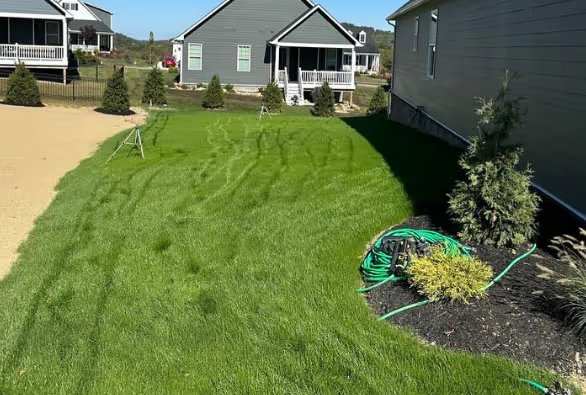
Full EstablishmentA spring-seeded Pittsburgh lawn typically reaches full, mature coverage by late summer. By fall, it should be well-established and ready to handle its first winter with a strong root system in place.
Questions We Hear Often
Can hydroseeding go over an existing thin lawn?Yes, with proper preparation. We'll dethatch and loosen the soil surface so new seed makes contact with soil rather than sitting on top of dead thatch.
What about a late cold snap after seeding?A light frost after germination begins is unlikely to kill young seedlings. A hard freeze before germination starts can set things back, which is why we watch the forecast before scheduling.
Book Early: Spring Fills Quickly
Hydroseeding dates in April and May fill up by late March. If you're planning a lawn project this spring, reach out now to get on the schedule. We serve Pittsburgh's South Hills including Whitehall, Jefferson Hills, Peters Township, South Park, Baldwin, Mt. Lebanon, Castle Shannon, and Bethel Park.
Contact Dirt Works for a free estimate on spring hydroseeding.